
Sterling silver jewelry is admired for its timeless beauty, elegance, and versatility. From delicate rings to bold necklaces, every piece begins with a creative idea and goes through several carefully planned steps before it reaches the customer. At Praavy Jewels, skilled designers and artisans combine creativity, technology, and craftsmanship to transform simple concepts into stunning sterling silver jewelry pieces.
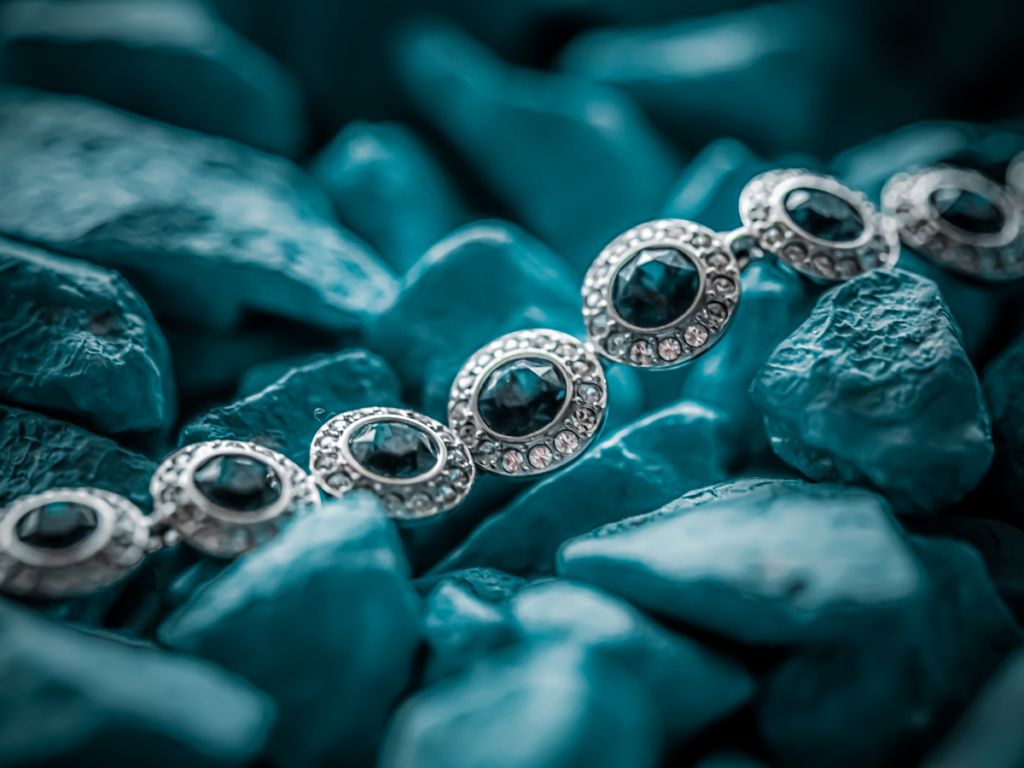
Understanding Sterling Silver
Before diving into the design process, it is important to understand what sterling silver is. Sterling silver is a high-quality metal made from 92.5% pure silver and 7.5% other metals, usually copper. This combination increases the durability of silver while maintaining its natural shine and elegance.
Because of its strength and beauty, sterling silver is widely used to create rings, bracelets, necklaces, earrings, and many other jewelry designs.
Step 1: Inspiration and Concept Creation
Every jewelry piece begins with inspiration. Designers at Praavy Jewels gather ideas from many sources such as:
- Nature and floral patterns
- Modern fashion trends
- Traditional cultural designs
- Geometric and minimalist styles
- Customer preferences and custom requests
Once inspiration is found, designers start turning their ideas into concepts. This is the creative stage where imagination plays a major role in shaping the look and feel of the jewelry piece.
Step 2: Sketching the Jewelry Design
After finalizing the concept, designers create detailed sketches of the jewelry piece. These sketches help visualize the design before it moves into production.
The sketch usually includes:
- Overall shape and style of the jewelry
- Size and proportions
- Placement of stones or decorative elements
- Surface textures and patterns
Sketching allows designers to refine their ideas and make adjustments before moving to the next stage.
Step 3: Creating a Digital 3D Model
Modern jewelry design often uses advanced technology. Designers convert their sketches into 3D digital models using computer-aided design (CAD) software.
This step offers several advantages:
- Designers can view the jewelry from every angle
- Precise measurements ensure perfect proportions
- Stones and details can be adjusted easily
- The design can be tested before production begins
The 3D model acts as a blueprint for manufacturing the jewelry.
Step 4: Wax Model Creation
Once the digital design is finalized, a wax model of the jewelry piece is created using 3D printing or hand carving. This wax version represents the exact shape of the final product.
The wax model helps artisans examine:
- Design accuracy
- Structural strength
- Stone placement
- Fine detailing
If any changes are needed, they can be made at this stage before casting the metal.
Step 5: Casting the Sterling Silver
The wax model is used in a process called lost wax casting, a traditional jewelry-making technique.
Here’s how it works:
- The wax model is placed in a mold.
- The mold is heated so the wax melts away.
- Molten sterling silver is poured into the empty mold.
- Once cooled, the mold is broken to reveal the silver piece.
This process creates a raw silver form that matches the original design.
Step 6: Cleaning and Shaping
After casting, the silver jewelry piece is cleaned and refined by skilled craftsmen. During this stage:
- Excess metal is removed
- Surfaces are smoothed
- Edges are shaped and refined
This step ensures the jewelry has the correct structure and appearance.
Step 7: Stone Setting and Detailing
If the jewelry design includes gemstones, this is the stage where they are carefully set into the piece.
Expert artisans at Praavy Jewels use precision tools to:
- Secure gemstones firmly
- Align stones perfectly
- Add fine engravings or textures
Attention to detail during this step greatly enhances the beauty and uniqueness of the jewelry.
Step 8: Polishing and Finishing
Polishing is one of the most important stages in jewelry making. It brings out the natural shine of sterling silver and enhances the overall look of the piece.
Different finishing techniques may include:
- High polish for a mirror-like shine
- Matte finish for a soft modern look
- Oxidized finish for antique style
The goal is to make the jewelry visually stunning and comfortable to wear.
Step 9: Quality Inspection
Before reaching customers, every piece goes through strict quality checks. At Praavy Jewels, the jewelry is inspected to ensure:
- Accurate design details
- Strong stone settings
- Smooth finishing
- Proper weight and balance
This ensures that every product meets high craftsmanship standards.
Step 10: Final Packaging and Delivery
Once the jewelry passes quality inspection, it is carefully cleaned, polished again if needed, and packed securely. Elegant packaging not only protects the jewelry but also enhances the customer’s unboxing experience.
The finished sterling silver jewelry piece is now ready to be worn, gifted, or showcased.
Why Design Matters in Sterling Silver Jewelry
Jewelry design is not just about appearance. It combines creativity, engineering, and craftsmanship to create pieces that are beautiful, durable, and comfortable.
At Praavy Jewels, every design is crafted with attention to detail, ensuring that customers receive jewelry that reflects elegance, quality, and artistic excellence.
Conclusion
Designing sterling silver jewelry is a fascinating journey that blends creativity with precision. From the first sketch to the final polished piece, each stage plays an important role in shaping the final product.
Praavy Jewels follows a careful and artistic design process to create sterling silver jewelry that stands out for its beauty and quality. Whether it’s a minimalist ring or an intricate pendant, every piece tells a story of craftsmanship and creativity.
If you appreciate jewelry that is thoughtfully designed and expertly crafted, sterling silver creations from Praavy Jewels offer the perfect combination of style, elegance, and durability